Introduction
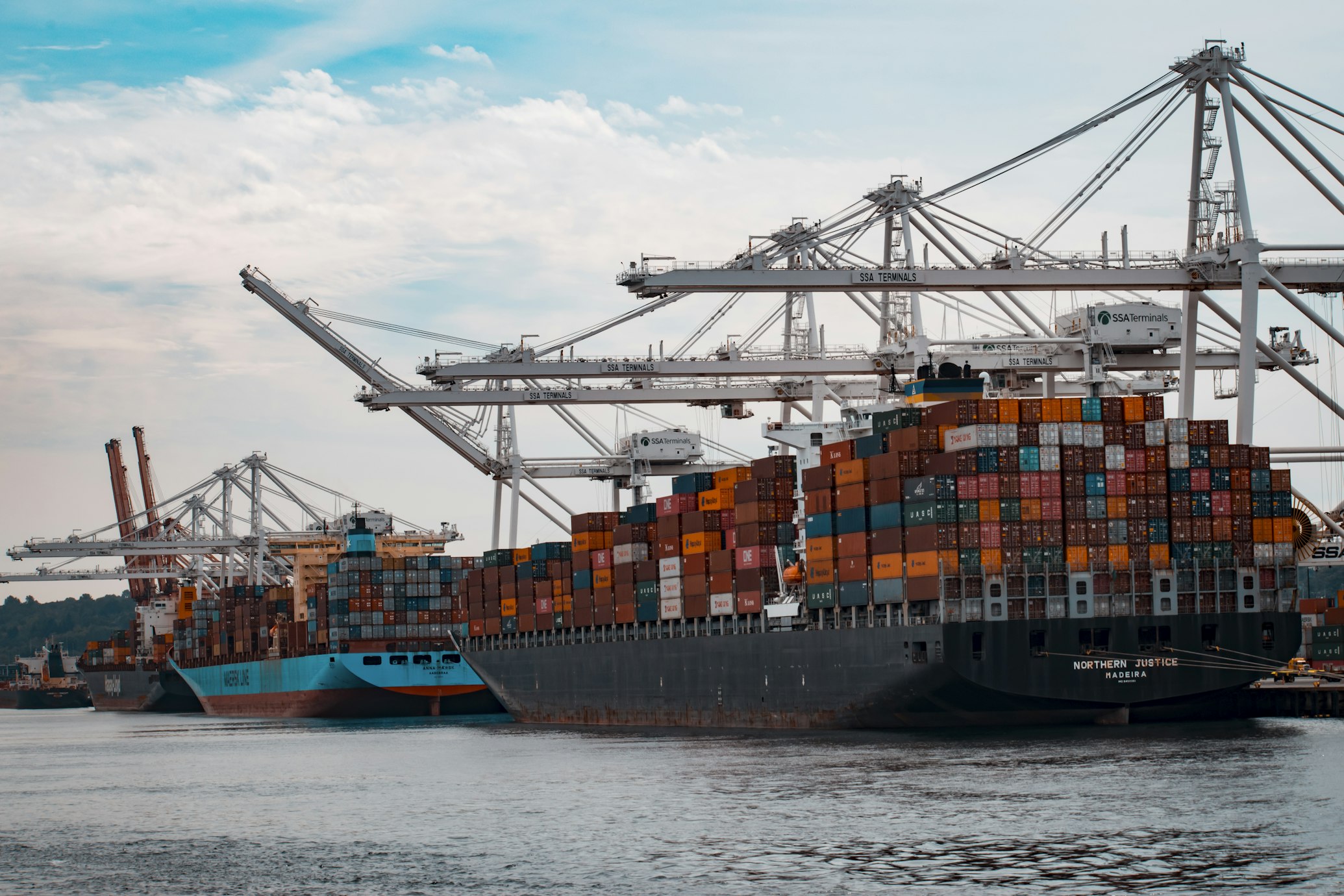
Trade between Europe and the Middle East is entering a new phase of acceleration in 2026. What was once a traditional exchange of oil, machinery, and consumer goods is now evolving into a strategic, multi-sector trade corridor driven by infrastructure, digital payments, and policy alignment.
For businesses, investors, and trade operators, understanding these shifts is no longer optional — it’s a competitive advantage.
Why Europe–Middle East Trade Is Expanding in 2026
Trade between Europe and the Middle East is entering a new phase of acceleration in 2026. What was once a traditional exchange of oil, machinery, and consumer goods is now evolving into a strategic, multi-sector trade corridor driven by infrastructure, digital payments, and policy alignment.
For businesses, investors, and trade operators, understanding these shifts is no longer optional — it's a competitive advantage.
1. Strategic Geographic Advantage
The Middle East continues to act as a global trade bridge, connecting Europe with Asia and Africa. Countries like the UAE and Saudi Arabia are leveraging their position to become logistics and distribution hubs.
This reduces transit time, lowers costs, and improves supply chain efficiency — key drivers for businesses looking to scale internationally.
2. Government-Led Economic Diversification
Middle Eastern economies are actively reducing reliance on oil and investing in manufacturing, logistics, trade infrastructure, free zones, and business-friendly regulations. Initiatives like Saudi Vision 2030 and UAE's trade expansion policies are attracting European businesses to establish regional operations.
3. Rise of Free Trade Agreements (FTAs)
Trade agreements between Europe and GCC countries are simplifying cross-border trade through reduced tariffs, easier customs processes, and improved regulatory alignment. This is making it significantly easier for SMEs and mid-sized businesses to enter new markets.
4. Digital Payments & Financial Infrastructure
One of the biggest bottlenecks in international trade has always been payments. In 2026, businesses are shifting toward multi-currency accounts, faster cross-border transactions, and lower FX costs. This is where companies are actively seeking solutions to reduce delays and improve cash flow — a critical factor in trade scalability.
5. Energy Transition & New Commodities
While oil and gas still dominate, new sectors are emerging: renewable energy (solar, hydrogen), metals and minerals, and agricultural commodities. Europe's demand for sustainable energy sources is creating new trade opportunities with the Middle East.

Key Industries Driving Trade Growth
1. Energy & Renewables
Europe’s energy diversification strategy is increasing reliance on Middle Eastern exports beyond traditional oil.
2. Automotive & Machinery
European exports of high-value machinery and vehicles continue to grow, supported by infrastructure development in the Middle East.
3. Food & Agriculture
Rising population and food security initiatives in the Middle East are boosting imports from Europe.
4. Technology & Services
Digital transformation is opening doors for tech services, fintech, and consulting firms.
Challenges Businesses Still Face
Payment delays and high FX costs – Slow settlements erode margins.
Complex banking systems – Multi-jurisdiction compliance slows down operations.
Regulatory differences – Customs, tariffs, and legal frameworks vary across countries.
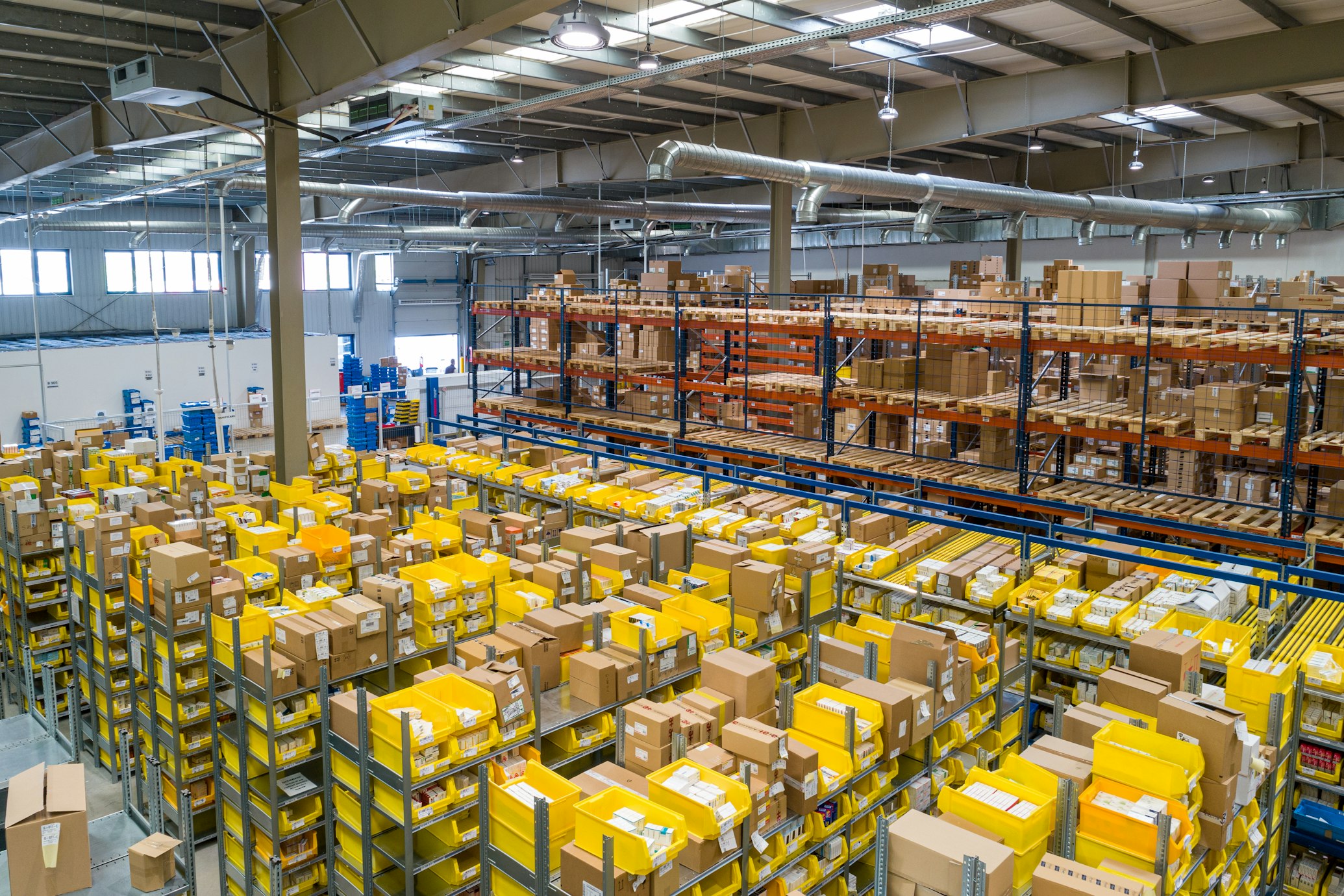
Logistics coordination issues – Lack of real-time visibility across supply chains.
How Businesses Can Leverage This Growth
- 1. Strong Financial Infrastructure – Fast, reliable cross-border payments with minimal FX loss.
- 2. Local Market Entry Strategy – Understand regulations, tax structures, and business setup requirements.
- 3. Strategic Partnerships – Work with advisory firms that understand both regions.
Conclusion
The expansion of Europe–Middle East trade in 2026 is being driven by a combination of policy, infrastructure, and financial innovation. For businesses, this presents a unique opportunity to scale globally.
Frequently Asked Questions
Why is Europe–Middle East trade growing so fast in 2026?+
Growth is driven by geographic advantages, economic diversification (e.g., Saudi Vision 2030), trade agreements, digital payment infrastructure, and the energy transition.
What are the main challenges businesses still face?+
Payment delays, high FX costs, complex banking systems, regulatory differences, and logistics coordination remain key obstacles.
Which industries benefit the most?+
Energy & renewables, automotive & machinery, food & agriculture, and technology & services are leading the expansion.
How can SMEs leverage this trade corridor?+
By using strong financial infrastructure, understanding local market entry requirements, and forming strategic partnerships with regional advisory firms.
What role do free trade agreements play?+
FTAs between Europe and GCC countries reduce tariffs, simplify customs, and align regulations, making cross-border trade easier for smaller businesses.
How does digital payments improve trade?+
Multi-currency accounts, faster settlements, and lower FX costs remove payment bottlenecks, improving cash flow and scalability.
Is this corridor only for large corporations?+
No. SMEs and growing businesses now have more access than ever, provided they structure operations and manage payments effectively.
What is the future of Europe–Middle East trade?+
It will continue to evolve into a fully integrated ecosystem with advanced logistics, real-time settlement, and deeper regulatory alignment.